


A large segment of Indian audiences cannot be reached through the traditional or the new-age digital mediums. This problem of low penetration coupled with low levels of literacy makes it difficult for brands to surpass the barriers of communication in remote areas. However, the rural centres of the country have been recorded as driving the telecom growth in the nation. In the Indian ecosystem, about 450 million active SIM cards are resting on feature phones, the highest across the world. This renders telecom as the medium with the largest penetration in the markets that have low access to data.
Read More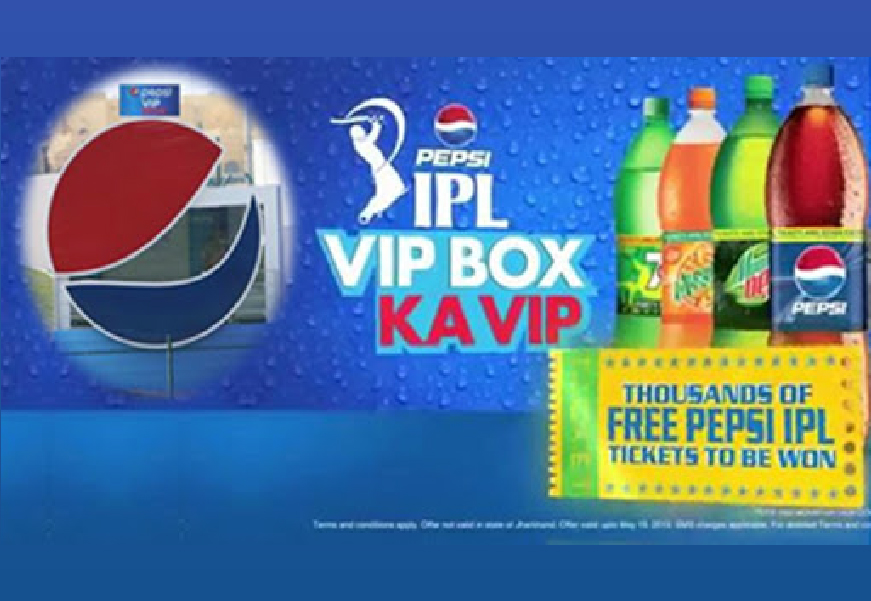
Pepsi India, the official sponsor of IPL makes an effort to connect all its Social Pages through an engaging game. Adapting to the fragmented media world, Pepsi India has launched its integrated – VIP Campaign. This case study describes how Pepsi created VIP boxes at Indian Premier League (IPL) cricket matches to encourage young Pepsi drinkers in India to buy its large format bottles. Large Bottles were typically bought as part of grocery shop by the value conscious home-maker. Although the home-maker bought the large bottle for the house, it was the young people who drank the product, so Pepsi decided to bypass the home-maker and sought to open the large bottles for the young people. It was important to offer what mattered to youngsters, not a price drop or an extra volume offer, and that’s why Pepsi decided to bring them a never-before customized gratification, by offering them the most unique seat in the stadium, the exclusive Pepsi VIP Seat.
Read More
Our rivers are dying. We can no longer turn a blind eye as we stand on the threshold of the gravest crisis of our times. Isha Foundation organized a “Rally for Rivers” awareness campaign, which covered 13 states and more than 20 events in major cities, traversing a stretch of over 7000 km across India. Sadhguru drove the entire distance with leaders and celebrities who actively participated in various legs of the journey.
Read More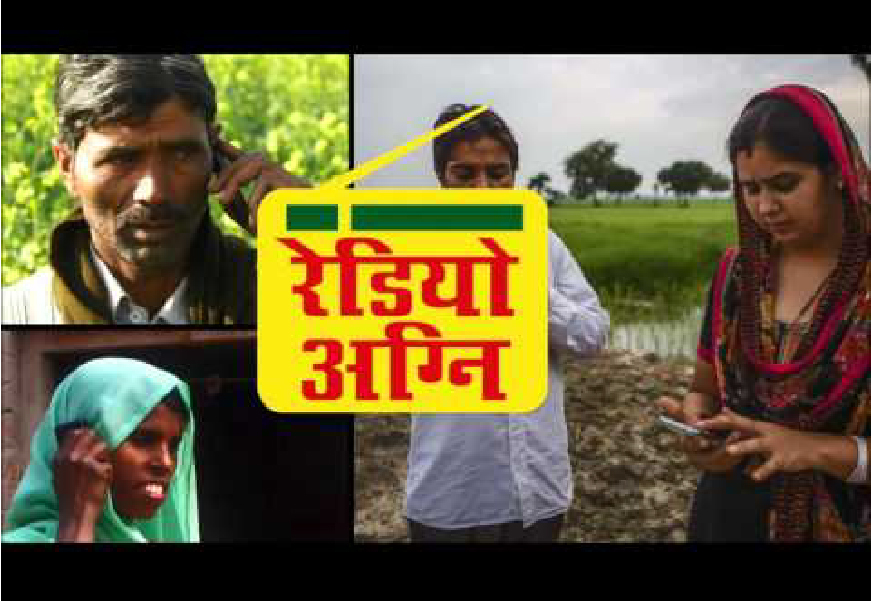
Tata Tea, though among the smaller Tata companies, has been the most active , internationally. The world sat up and took notice when it acquired Tetley, a company then nearly twice its size, in an audacious leveraged buyout in 2000. Tata Tea may be relatively small, but it’s always been at the vanguard of the Tata globalisation saga. Even today , the most globalised company in the Tata portfolio is not Tata Steel or Tata Motors or even TCS, it’s Tata Tea. Today, 18% of Tata Motors’ revenues and 20% of Indian Hotel’s revenues comes from international operations, for Tata Tea, it’s 70%. And of course, far more people around the world drink Tata Tea products than TCS products. Tata Tea is now the second largest player in the branded tea segment globally and has a presence in 40 countries.
Read More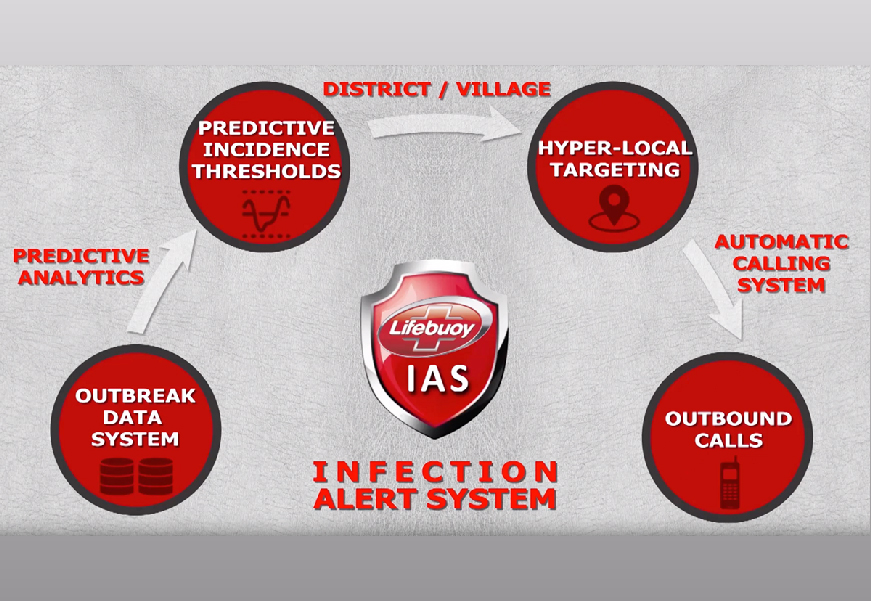
India’s Infant Mortality Rate is 13% higher than the global average. Half of these deaths are caused by preventable diseases like diarrhea and pneumonia and occur in rural areas. Indians primarily eat and feed their children with their hands, not cutlery. Hand-washing with soap is the single most cost-effective intervention to prevent child deaths. Lifebuoy, India’s no. 1 soap brand wanted to reach these people to change hand washing behaviour and reduce the incidence of illness and death. The brief was to overcome media barriers characteristic of rural India (i.e. low television penetration, low literacy rates rendering print and out of home ineffective and negligible internet penetration) to reach people when they were most vulnerable.
Read More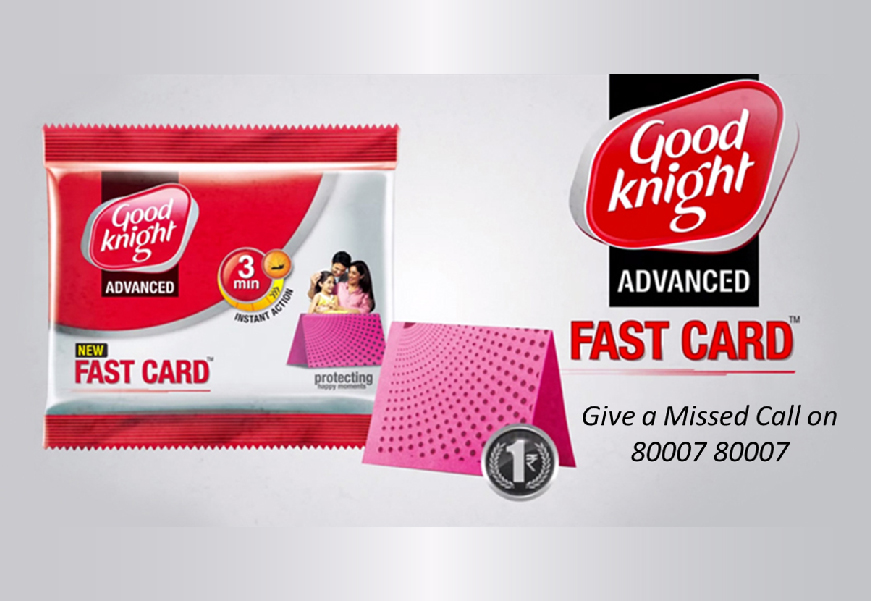
Due to continuing threats of mosquito-borne diseases, people in urban and rural areas look for quick and affordable solutions to protect themselves. That is when spurious and illegal players emerge, manufacturing and selling all kinds of mosquito repellents including incense sticks (agarbattis), which at times even have toxic ingredients like pesticides and other harmful chemicals. To overcome this problem, Godrej wanted to create awareness platform to educate the callers about good hygiene and English learning.
Read More
Products
Innovations
Resources